African Heritage Center Inspires Community Through Powerful Dialogue on Ancestry, Identity, and the Future
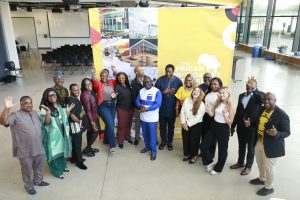
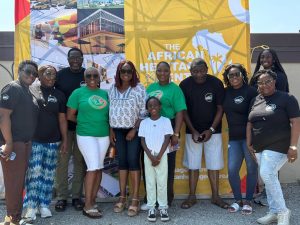
The African Heritage Center on June 19, 2026 together scholars, community leaders, students, and members of the African diaspora for a thought-provoking and inspiring event focused on “Ancestry Tracing for People of African Descent.” The gathering served as both an educational forum and a call to action, highlighting the importance of reconnecting with African heritage while unveiling an exciting vision for the future of the African Heritage Center.
Rediscovering Our Roots
The keynote presentation was delivered by renowned genealogist and ancestry researcher Dr. Andre Kearns, who captivated attendees with his personal 20-year journey tracing his family’s history back to Africa.
Dr. Kearns emphasized that ancestry tracing is about far more than discovering names and dates. It is about reclaiming identity, preserving family legacies, and understanding the resilience of generations that came before us.
He outlined five compelling reasons why ancestry research matters for people of African descent and introduced practical steps anyone can begin today, including:
- Speaking with elders and recording family stories.
- Building a family tree.
- Collecting historical records.
- Using DNA testing as one of many tools in genealogy research.
One of the highlights of his presentation was a fascinating case study demonstrating how years of historical research connected an individual’s family history across Canada, the Caribbean, and the United States, ultimately reaching ancestors from Africa. His own family’s remarkable story, tracing back to Emmanuel and Joan of the Kingdom of Ndongo in the early 1600s, illustrated both the challenges and the extraordinary possibilities of genealogical research.
Reconnecting the African Diaspora
The discussion extended beyond genealogy into the growing global movement reconnecting Africans throughout the diaspora.
Dr. Kearns highlighted international initiatives such as Ghana’s Year of Return and other programs designed to strengthen relationships between African nations and their descendants worldwide. These efforts continue to inspire heritage tourism, cultural exchange, and renewed connections between Africa and its global family.
Panelist Dr. Moriel McClurkin shared his work advocating for citizenship rights for members of the African diaspora in Nigeria. He explained how many descendants of Africans displaced through the transatlantic slave trade have legitimate historical and ancestral ties that deserve recognition.
Joining the conversation was Gwyneth Chapman, a respected government relations and diaspora engagement strategist in Brampton, who spoke passionately about helping Black communities deepen their understanding of history, identity, and cultural legacy while strengthening relationships between governments and diverse communities.
Understanding DNA Testing
The panel also addressed one of the most frequently asked questions surrounding ancestry research: DNA testing.
Panelists discussed both the opportunities and limitations of genetic testing. While DNA analysis can provide valuable clues about ancestral origins and connect families across continents, important concerns remain regarding privacy, ownership of genetic information, and ethical use of personal data.
Civil rights advocate Ken Jeffers emphasized the importance of ensuring that people of African descent remain active participants in shaping emerging technologies, artificial intelligence, and information systems that increasingly influence how personal and historical data are collected and used.
The discussion encouraged participants to view DNA testing as one valuable resource within a much broader journey of historical research, storytelling, and cultural preservation.
Inspiring the Next Generation
One recurring theme throughout the event was the importance of engaging young people.
Speakers encouraged schools, educators, parents, and community organizations to introduce ancestry education into classrooms, after-school programs, and youth initiatives. By learning about their history early, young people can develop a stronger sense of identity, confidence, and purpose.
Participants agreed that preserving heritage is not solely about remembering the past—it is about equipping future generations to carry those stories forward.
A Vision for the African Heritage Center
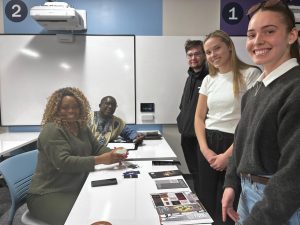
The event concluded with an exciting presentation from architecture students at Humber Polytechnic, who unveiled conceptual designs for the future African Heritage Center.
Their inspiring vision showcased a world-class facility designed to celebrate African history, culture, and excellence while serving as a gathering place for future generations.
The proposed center includes spaces for:
- Cultural exhibitions and museum collections
- Educational programming and genealogy research
- Community gatherings and conferences
- Performance and creative arts
- Heritage preservation
- Visitor accommodations
- Collaborative meeting spaces
- Youth learning and innovation programs
The proposed development represents an ambitious investment in the future, with preliminary estimates ranging between CAD $80 million and $120 million. While significant, attendees viewed the project as a transformational opportunity that could become one of Canada’s leading centers dedicated to African heritage and diaspora engagement.
Building the Future Together
As enthusiasm filled the room, the African Heritage Center outlined the next phase of its journey.
Plans are already underway to:
- Launch fundraising campaigns and community initiatives.
- Build partnerships with educational institutions, businesses, governments, and philanthropic organizations.
- Expand outreach across Canada, the Caribbean, Africa, and the wider global diaspora.
- Engage youth, artists, educators, and community leaders in shaping future programming.
- Share architectural plans and project updates with supporters worldwide.
- Develop opportunities for artifact donations, cultural preservation, and historical collections.
Community members also expressed interest in volunteering, serving on fundraising committees, and helping bring the vision to life.
A Movement Rooted in Heritage
The evening was much more than a discussion about genealogy.
It was a reminder that understanding our past strengthens our future.
Through stories, research, education, collaboration, and community, the African Heritage Center continues to build a movement dedicated to preserving African history while inspiring future generations to celebrate their identity with pride.
The journey of ancestry is ultimately a journey of belonging—and the African Heritage Center is creating a place where those journeys can be discovered, shared, and celebrated for generations to come.
Join the Movement
The African Heritage Center invites individuals, families, educators, community organizations, businesses, and supporters from across the diaspora to become part of this historic initiative.
Whether through membership, volunteering, fundraising, partnerships, or simply sharing the vision with others, every contribution brings us one step closer to creating a permanent home where African heritage can be preserved, celebrated, and passed on to future generations.
Together, we are not simply building a center—we are building a legacy.