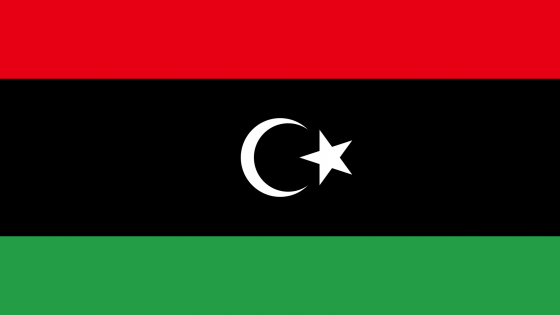
Libya

Facts About Libya: Desert Majesty, Ancient Cities, and Mediterranean Charm

General Information

  • Capital: Tripoli
  • Official Language: Arabic
  • Currency: Libyan Dinar (LYD)
  • Population: Approximately 7 million
  • Time Zone: Eastern European Time (EET, UTC+2)
  • Independence: Gained from Italy on December 24, 1951


Geography & Nature

  • Libya is the fourth-largest country in Africa, covering about 1.76 million square kilometers, most of which is desert.
  • The Sahara Desert dominates Libya’s interior, featuring sweeping dunes, rocky plateaus, and dramatic landscapes.
  • Despite its arid climate, Libya has a 1,770-kilometer coastline along the Mediterranean Sea, with beautiful but often underdeveloped beaches.
  • The Akakus Mountains in the southwest are famed for prehistoric rock art, some dating back over 12,000 years.
  • Oases such as Ghadames and Kufra provide lush, green contrast to the surrounding desert and support traditional Berber architecture and life.
  • The Green Mountains (Jebel Akhdar) in the northeast offer rare fertile land with a Mediterranean climate, supporting agriculture and forests.


Economy & Resources

  • Libya holds Africa’s largest proven oil reserves, making petroleum the cornerstone of its economy.
  • Natural gas is also a significant export, contributing to national income.
  • Due to decades of conflict and sanctions, Libya’s non-oil sectors remain underdeveloped, but agriculture and construction show potential.
  • The economy is heavily centralized, and ongoing political instability has hampered investment and tourism growth.
  • Libya’s archaeological sites and historic cities represent a largely untapped resource for future tourism development.


Culture & People

  • Libya’s population is primarily Arab and Berber, with deep-rooted Islamic traditions shaping its social and cultural fabric.
  • The Berber (Amazigh) identity remains strong in regions like Nafusa and Ghadames, where traditional languages and customs are preserved.
  • Libya has a rich oral storytelling tradition, music, and poetry, often passed down through generations.
  • Islamic architecture and historic medinas (old cities) feature mosques, arches, and narrow alleys, particularly in Tripoli and Ghadames.
  • Traditional Libyan cuisine includes dishes like bazin (barley dough with stew), couscous, and lamb or chicken cooked with spices and dates.
  • Clothing like the jalabiya (robe) and tarboosh (hat) remains popular in rural and ceremonial settings.


7 Interesting Facts About Libya for Travelers

Despite challenges, Libya holds treasures for those with a spirit of discovery:

  1. Leptis Magna – One of the most spectacular and best-preserved Roman cities in the world, near the coast east of Tripoli.
  2. Sabratha – Another ancient Roman city on the coast, known for its beautiful amphitheater and mosaics.
  3. Ghadames Oasis – A UNESCO World Heritage Site, this ancient Berber town features whitewashed architecture and covered alleys that provide natural cooling.
  4. Rock Art of Tadrart Acacus – A treasure trove of prehistoric carvings and paintings depicting animals and early human life.
  5. The Sahara Experience – Libya offers some of the most dramatic desert landscapes in the world, with camel treks and 4×4 expeditions possible in stable areas.
  6. Tripoli’s Old Medina – A blend of Ottoman, Arab, and Italian influences, with historic mosques, souks, and colonial buildings.
  7. Mediterranean Sunsets – Libya’s undeveloped beaches along the Mediterranean provide serene views and a chance to enjoy nature far from crowds.


Conclusion

Libya is a land of ancient wonders, raw natural beauty, and rich cultural heritage. While modern challenges have limited tourism, the country’s history and landscapes continue to captivate the imagination. From Roman ruins to Saharan dunes, Libya promises unforgettable experiences for the adventurous and historically curious. With future stability, it could easily reclaim its place as one of North Africa’s most captivating destinations.
Libya map