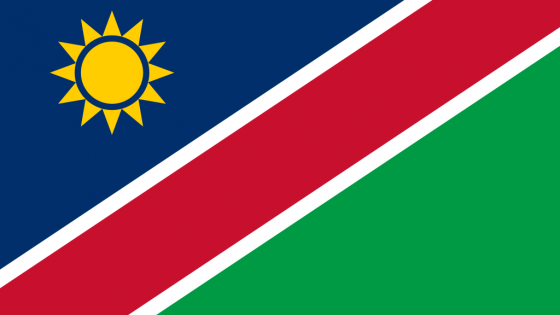
Namibia

Facts About Namibia: Where the Desert Meets the Sea

Namibia, located in the southwest of Africa, is a country known for its stunning deserts, wildlife, and rich cultural heritage. From the vast Namib Desert to the unique Etosha National Park, Namibia is a country full of contrasts, offering a wealth of natural beauty and outdoor adventure.

General Information

  • Capital: Windhoek
  • Official Language: English
  • Currency: Namibian Dollar (NAD)
  • Population: Approximately 2.5 million
  • Time Zone: Central Africa Time (CAT, UTC+2)
  • Independence: Gained from South Africa on March 21, 1990


Geography & Nature

  • Namib Desert: Known as the oldest desert in the world, it is home to the iconic Sossusvlei dunes, some of the tallest sand dunes in the world.
  • Etosha National Park: A renowned wildlife sanctuary and one of the largest salt pans in the world, Etosha is a prime destination for wildlife enthusiasts, offering a chance to see lions, elephants, rhinos, and a variety of other animals.
  • Skeleton Coast: A remote and rugged coastline, famous for its shipwrecks, desolate beauty, and wildlife such as seals and desert-adapted elephants.
  • Fish River Canyon: The second largest canyon in the world, offering dramatic landscapes and hiking opportunities.
  • Swakopmund: A coastal city known for its German colonial architecture, beautiful beaches, and adventure tourism opportunities like sandboarding and skydiving.


Economy & Resources

  • Mining: Namibia is a leading global producer of uranium, diamonds, and other minerals. The mining industry plays a crucial role in the country’s economy.
  • Agriculture: Namibia’s agricultural sector is dominated by livestock farming, with cattle ranching and sheep farming being key industries.
  • Tourism: Tourism is a significant contributor to Namibia’s economy, with visitors coming to experience the country’s unique landscapes, wildlife, and outdoor activities.


Culture & People

  • Ethnic Groups: Namibia is home to several ethnic groups, including the Herero, Himba, Damara, and San people. Each group has its own distinct languages, customs, and traditions.
  • Traditional Music and Dance: Music and dance are important aspects of Namibian culture, with traditional songs and dances being performed during ceremonies and festivals.
  • Art and Craft: Namibia is known for its vibrant arts scene, with traditional crafts such as beadwork, basket weaving, and pottery being created by various ethnic groups.
  • German Influence: Namibia has a unique history as a former German colony, and this influence is evident in the architecture, cuisine, and cultural traditions, especially in cities like Swakopmund and Windhoek.


Cuisine

  • Biltong: A popular snack, biltong is dried and cured meat, often made from beef or game meat.
  • Kapana: A traditional street food, kapana consists of grilled meat served with a variety of sauces and condiments.
  • Potjiekos: A traditional stew made with meat and vegetables, typically cooked in a cast iron pot over an open fire.
  • Mahangu: A millet-based dish, often served with a variety of sauces or stews.
  • Pap: A staple dish made from maize meal, similar to polenta, typically served with meat, gravy, or vegetables.


7 Interesting Facts About Namibia for Travelers

  1. Desert Adventures: Namibia is home to the Sossusvlei dunes, where travelers can climb some of the world’s highest sand dunes.
  2. Unique Wildlife: Namibia is famous for its conservation efforts, particularly in protecting desert-adapted elephants and black rhinos.
  3. Cultural Diversity: Namibia is a melting pot of cultures, with a rich blend of indigenous traditions and colonial influences.
  4. German Heritage: Namibia’s colonial past is reflected in the architecture, cuisine, and language, especially in Swakopmund and Windhoek.
  5. Stunning Landscapes: From the vast desert landscapes of the Namib Desert to the lush vegetation in the Zambezi region, Namibia offers diverse natural beauty.
  6. Star Gazing: With its clear skies and minimal light pollution, Namibia is one of the best places in the world to stargaze.
  7. Wildlife Safaris: The country’s Etosha National Park offers one of the most unique safari experiences in Africa, where wildlife congregates around waterholes.


Conclusion

Namibia is a destination for adventure seekers, wildlife enthusiasts, and those looking to immerse themselves in a rich cultural experience. From its dramatic landscapes to its unique wildlife and vibrant cultural traditions, Namibia offers travelers a chance to explore one of Africa’s most extraordinary countries.
Namibia map