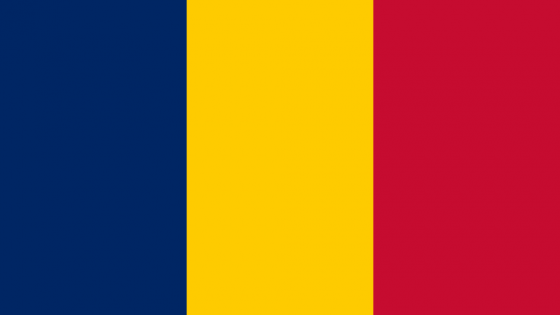
Chad

Facts About Chad

Chad is a landlocked country located in north-central Africa, known for its vast deserts, rich cultural heritage, and diverse landscapes. Despite facing challenges, Chad offers a unique travel experience for those looking to explore the heart of Africa. Here are key facts about Chad that highlight its significance:

General Information

  • Capital: N’Djamena
  • Official Languages: French and Arabic
  • Currency: Central African CFA franc (XAF)
  • Population: Approximately 16 million
  • Time Zone: West Africa Time (WAT, UTC+1)
  • Independence: Gained from France on August 11, 1960

Geography & Nature

  • Location: Chad is located in north-central Africa, bordered by Libya, Sudan, the Central African Republic, Cameroon, Nigeria, and Niger.
  • Land Area: Chad is the fifth-largest country in Africa, covering approximately 1.28 million square kilometers.
  • Climate: Mostly arid in the north and more temperate in the south, with a rainy season from June to October.
  • Sahara Desert: Chad includes part of the vast Sahara, featuring towering dunes and unique desert landscapes.
  • Lake Chad: A vital body of water shared with neighboring countries, although significantly reduced in size over the decades.
  • Zakouma National Park: One of Central Africa’s top safari destinations, home to elephants, lions, giraffes, and more.
  • Tibesti Mountains: Remote, volcanic peaks offering dramatic views and adventurous hiking opportunities.

Economy & Resources

  • Oil: Chad is a major oil producer, with petroleum being a cornerstone of its economy.
  • Agriculture: Key crops include millet, sorghum, maize, cotton, and wheat; livestock farming is also widespread.
  • Natural Resources: Rich in minerals like uranium, gold, and salt, though underdeveloped due to instability.
  • Fishing: Especially in the south, with Lake Chad serving as a vital source of fish.
  • Challenges: Chad faces hurdles such as desertification, underdeveloped infrastructure, and political instability.

Culture & People

  • Ethnic Diversity: Over 200 ethnic groups, including the Sara, Arab, Kanem-Bornu, and Toubou peoples.
  • Languages: French and Arabic are official, but many local languages are widely spoken.
  • Music & Dance: Traditional instruments like balafons and drums feature in Chadian music, along with energetic dances.
  • Cuisine: Common dishes include Jarret de Boeuf (beef stew) and Boudou (fermented millet), with strong Arab and African culinary influences.
  • Religion: Islam dominates in the north and center; Christianity and indigenous beliefs are more prevalent in the south.
  • Arts & Crafts: Woven textiles, pottery, and beadwork are common in traditional Chadian craftwork.

7 Interesting Facts About Chad for Travelers

  1. Zakouma National Park: Among Africa’s best safari destinations, offering close encounters with big game.
  2. Sahara Adventures: Discover the ancient rock art and immense sand dunes of Chad’s northern desert.
  3. Lake Chad: Explore this shrinking yet culturally and ecologically vital lake, shared with Cameroon and Nigeria.
  4. Tibesti Mountains: A rare chance for trekking in one of the Sahara’s most rugged and scenic areas.
  5. Cultural Festivals: Experience the colorful Kousseri and Abéché festivals showcasing dance, music, and rituals.
  6. Traditional Cuisine: Sample local favorites like Boudou and Jarret de Boeuf in local markets and homes.
  7. Historic Sites: Visit the Abéché Palace or discover prehistoric rock carvings across the desert plateau.

Conclusion

Chad may be one of Africa’s most underexplored countries, but it is full of potential for those who seek adventure, culture, and natural beauty. From its deserts and national parks to its rich ethnic diversity and cultural heritage, Chad offers an exciting, though challenging, destination for travelers. For those interested in exploring the heart of Africa, Chad promises a unique and unforgettable experience.
Chad map