Central Africa Republic

Facts About The Central African Republic (CAR

The Central African Republic (CAR) is a landlocked country located in the heart of Africa. Known for its diverse ethnic groups, rich wildlife, and challenging history, the CAR offers a unique travel experience for those interested in adventure and cultural discovery. Below are key facts that highlight what makes the Central African Republic stand out:

General Information

  • Capital: Bangui
  • Official Language: French and Sango
  • Currency: Central African CFA franc (XAF)
  • Population: Approximately 5.5 million
  • Time Zone: Western Africa Time (WAT, UTC+1)
  • Independence: Gained from France on August 13, 1960
 

Geography & Nature

  • Location: The Central African Republic is located in the heart of Africa, bordered by Chad to the north, Sudan to the northeast, South Sudan to the east, the Democratic Republic of the Congo and the Republic of the Congo to the south, and Cameroon to the west.
  • Land Area: With an area of around 622,000 square kilometers, the CAR is one of the largest countries in central Africa.
  • Climate: The CAR has a tropical climate with a rainy season from May to October and a dry season from November to April. The country experiences high temperatures year-round.
  • Biodiversity: The country is home to a wide range of wildlife, including elephants, gorillas, lions, and several species of monkeys. The Dzong and Manovo-Gounda St. Floris National Parks, both UNESCO World Heritage sites, are renowned for their biodiversity and conservation efforts.
  • Oubangui River: The Oubangui River, a major tributary of the Congo River, flows along the country’s southern border and is important for transportation and commerce.
 

Economy & Resources

  • Natural Resources: The Central African Republic is rich in natural resources, including diamonds, gold, timber, and uranium. However, its economic development has been hindered by instability and conflict.
  • Agriculture: Agriculture is the backbone of the CAR’s economy, with crops like cassava, millet, maize, and bananas being cultivated. The country also produces cotton and coffee.
  • Mining: The CAR has significant deposits of diamonds and gold, although mining activities are often carried out informally, limiting the country’s revenue from these resources.
  • Challenges: The Central African Republic has faced significant economic challenges due to ongoing conflicts, which have disrupted trade and limited access to markets and resources.
 

Culture & People

  • Ethnic Groups: The Central African Republic is home to over 80 different ethnic groups, including the Gbaya, Baya, Banda, and Mandjia. Each ethnic group has its own language, customs, and traditions.
  • Languages: French is the official language, but Sango, a creole language, is widely spoken and serves as a lingua franca.
  • Music & Dance: Music and dance are an essential part of the CAR’s culture. Traditional music often features drumming and singing, and ceremonial dances play a central role in community gatherings.
  • Cuisine: Central African cuisine is based on staple ingredients like cassava, maize, beans, and fish. Popular dishes include Mbala (stewed fish) and Saka-saka (cassava leaves cooked with peanut sauce).
  • Religion: The majority of people in the CAR are Christians, primarily Roman Catholics and Protestants, while a significant minority follow traditional African religions or Islam.
  • Traditional Crafts: The CAR is known for its traditional arts and crafts, including wood carvings, beadwork, and woven textiles, which are often used in ceremonies or sold in markets.
 

7 Interesting Facts About the Central African Republic for Travelers

  1. Dzong National Park: Dzong National Park is one of the country’s most important protected areas and a UNESCO World Heritage site, known for its rich wildlife and stunning landscapes.
  2. Unique Wildlife: The CAR is home to a variety of rare and endangered species, such as the western lowland gorilla and forest elephants, which can be seen in national parks like Manovo-Gounda St. Floris.
  3. The Oubangui River: The Oubangui River offers a picturesque and serene environment for boat trips, providing travelers with views of the country’s natural beauty.
  4. Historical Architecture: The capital, Bangui, is home to colonial-era buildings and the National Museum, which offers insights into the country’s history, culture, and art.
  5. Traditional Music and Dance: Central African music is full of rhythm, and visitors can enjoy traditional performances, often featuring powerful drumming and energetic dances.
  6. Ethnic Diversity: The Central African Republic’s diverse ethnic groups and cultures provide a rich tapestry of traditions, languages, and crafts that visitors can explore.
  7. Gorilla Watching: The CAR is one of the few places where travelers can have the rare opportunity to see gorillas in the wild, especially in the Dzong National Park.
 

Conclusion

The Central African Republic offers a unique and adventurous travel experience for those seeking to explore the heart of Africa. From its rich biodiversity and national parks to its vibrant cultures and traditions, the CAR is a hidden gem with much to offer. While the country has faced significant challenges, it remains a place of incredible natural beauty, diverse ethnic groups, and a rich cultural heritage. For travelers interested in exploring untapped destinations and experiencing life in one of Africa’s most unique countries, the Central African Republic is an unforgettable option.
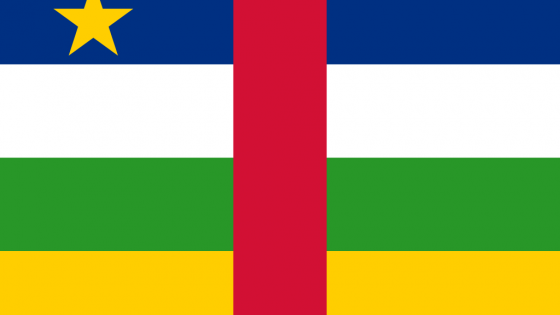
Central Africa Republic map